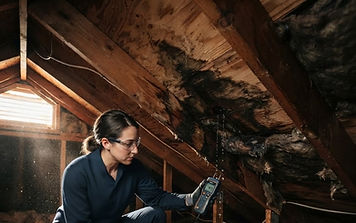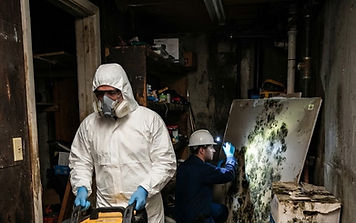
Attic Mold in Seattle Bungalows: Why the Roof Deck Turns Black
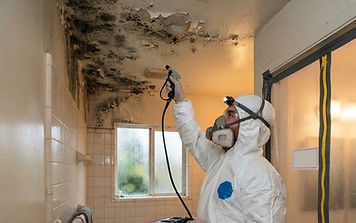
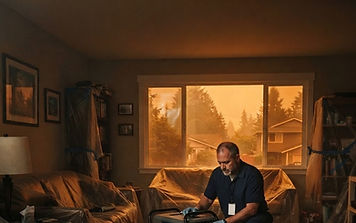
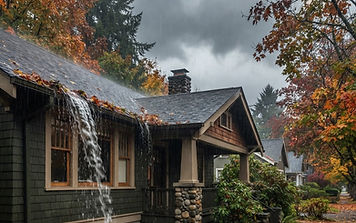
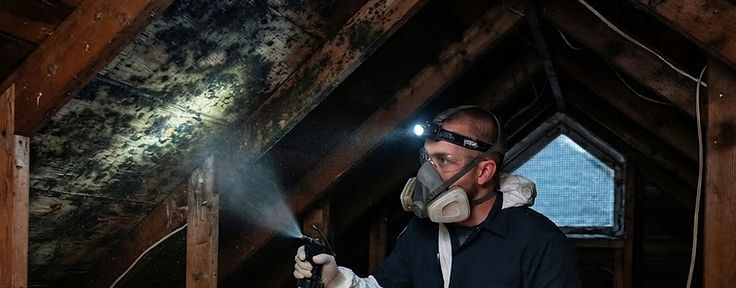
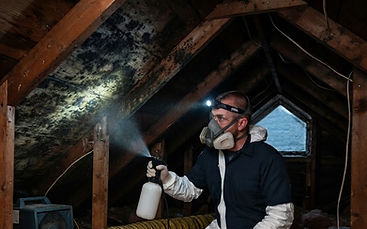
Attic mold is almost never an attic problem. It is a house problem that shows up in the attic first. Here is why the sheathing goes black and what remediation actually involves.
A live dispatcher answers 24/7
425 390 59114.9(1,284)Free estimate
Plaster on Capitol Hill, hillside basements on Queen Anne, Kitsap crawlspaces, Tacoma storm drains. Written by the technicians who work these streets, not a content team.

Attic mold is almost never an attic problem. It is a house problem that shows up in the attic first. Here is why the sheathing goes black and what remediation actually involves.

Commercial water losses are decided by who gets the call and how fast the floor is protected. What building managers should have in place before a supply line lets go on a Saturday.

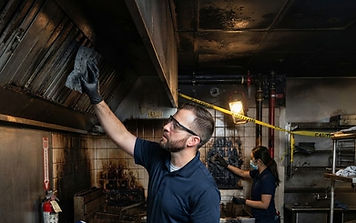
A hood fire leaves a kitchen closed and a crew unpaid. Here is the cleaning and documentation sequence that gets a Bellevue restaurant past inspection and back to service.

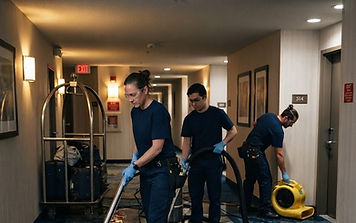
One supply line in one guest room can take twelve rooms off the market. How hotel water losses are staged so the property keeps selling rooms through the dry-down.

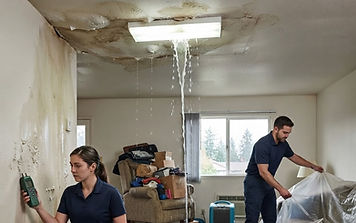
A slab leak in the unit above yours shows up as bubbling paint on your ceiling. What renters and owners should do in the first hour, and who actually pays.

Water in a Bellevue home gets expensive at about the 60-minute mark. Here is exactly what to do in the first hour — and the four things that quietly turn a $2,000 job into a $30,000 one.

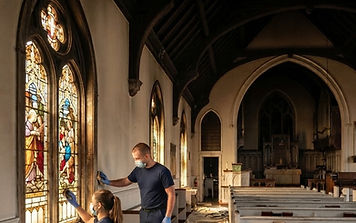
A small electrical fire in a church is a large smoke problem, because a sanctuary is one enormous open volume with pews, plaster and stained glass that all hold odour.

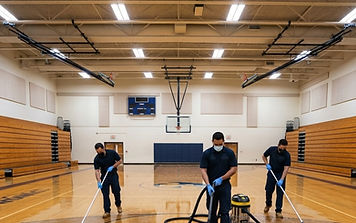
A gym floor is the most expensive square footage in a school. What a district has to do in the first day after a sprinkler discharge to keep it from becoming a replacement project.

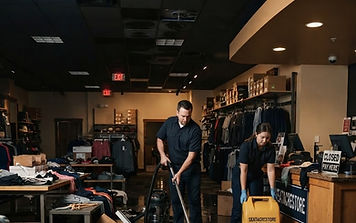
A knocked sprinkler head can dump hundreds of gallons into a store overnight. Why commercial retail losses are almost always larger than they look at first light.

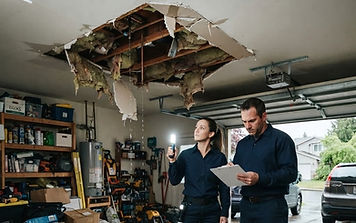
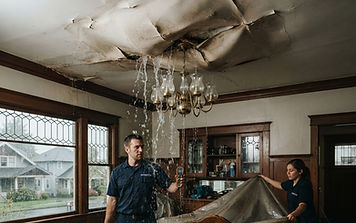
Drywall holds far more weight than most people realise. A small leak above a garage can drop a 4x8 sheet without warning. If yours is sagging, this is what to do.

Water that came up through a floor drain is category 3, and the rules for handling it are different from a clean supply line break. What has to come out, and what cannot stay.

Kitsap crawlspaces stay wet because they are designed to be vented in a climate with 50 inches of rain. Here is what a vapor barrier does, what it does not, and what it costs you in heat.

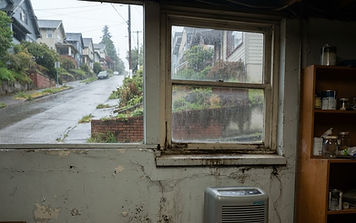
Plaster and lath absorbs more water than drywall before it ever shows a stain. On Capitol Hill that means leaks can run for a full season before anyone notices — and by then the framing is involved.

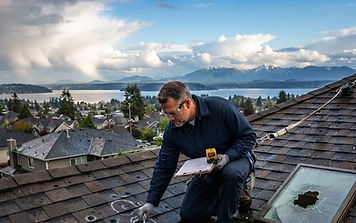
A valley leak runs for years without showing a stain. By the time water reaches the ceiling, sheathing and insulation are already gone. How to find it before that.

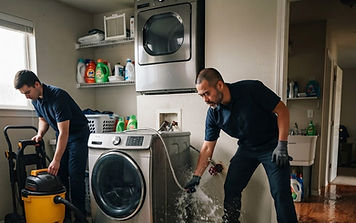
A braided rubber hose on a ten-year-old washer fails more often than almost any other fitting in the house, and the laundry is usually upstairs. Here is the ten-minute fix.

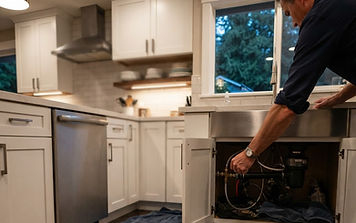
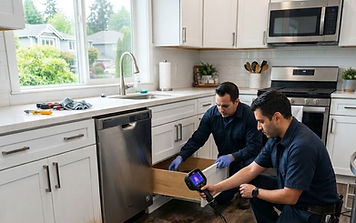
A dishwasher leak does not usually flood the kitchen. It quietly rots the cabinet toe kick and subfloor for months. Here is how to catch it early.

Tanks do not leak a little at the end. They release 40 to 80 gallons in seconds and then keep refilling. What to do in the first two minutes.

Steep lots, daylight basements and 100-year-old retaining walls create a permanent moisture reservoir under some of Seattle's most valuable homes. Here is how mold gets in — and how to get it out for good.

A toilet supply overflow in a second-floor bathroom makes a mess one floor down in about four minutes. What the pattern on the ceiling tells you about how bad it is.

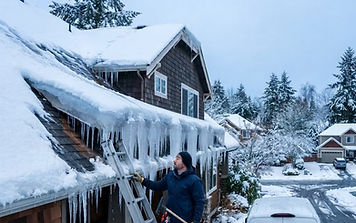
Ice dams used to be a mountain problem. Recent cold snaps have made them a suburban one. What causes them, and the four things that stop them.
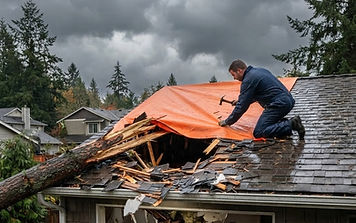
Snohomish County takes the worst wind in the region. If a tree has opened your roof, the order of operations in the next day decides how much of the house you keep.

Hail damage is easy to miss and easy to overstate. How to tell real impact damage from granule wear, and why the distinction matters to your claim.

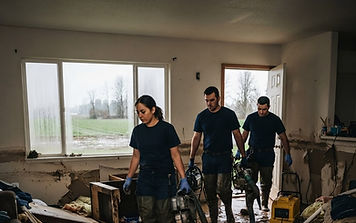
When river water enters a house, the rules change. What has to be removed, what can be saved, and why the mud is the least of your problems.

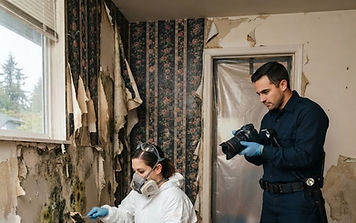
Wallpaper traps moisture against the drywall and hides the growth underneath it. Peeling edges are not a decorating problem, they are a moisture reading.

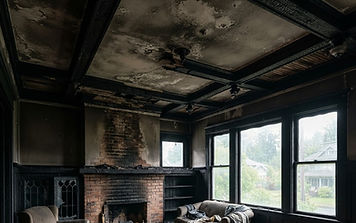
Smoke travels through a 1890s house in ways it never does in a modern build — down chimneys, through balloon framing, into lath plaster. Here is what a proper historic fire restoration looks like.

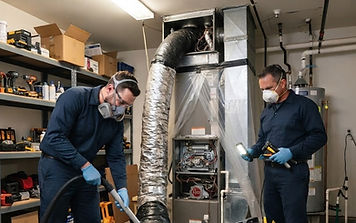
If the smell arrives when the furnace starts, the problem is in the air path. What duct mold looks like, why cleaning alone rarely fixes it, and what does.

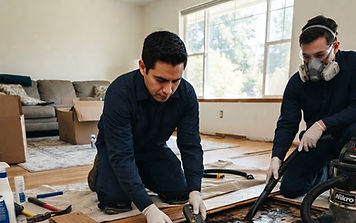
Water trapped between a floor and its subfloor becomes a mold colony with no way to dry. How to find it, and how much of the floor actually has to come up.

It is not the shower. It is the fan, the ceiling temperature and 20 minutes of daily neglect. The fix is cheaper than the remediation.

Closets have the worst airflow and the most contents in the house. A cold exterior wall plus a boxed-in corner is all it takes.

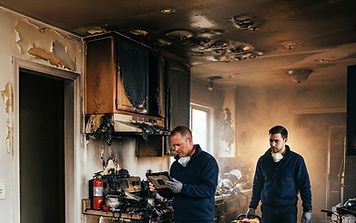
A kitchen fire is usually concentrated in one cabinet run and the hood above it. Here is the line between cleaning and replacing, and why it matters to your claim.

What adjusters actually look at, the four words that get claims denied, and how to document a loss so it clears in nine days instead of nine weeks. Written by the team with a 99.9% approval rate.

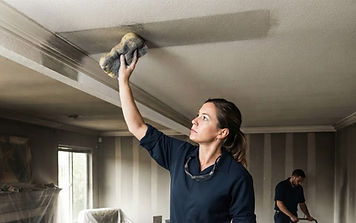
Smoke rises, so the worst residue is above eye level. What a proper ceiling and trim cleaning sequence looks like, and where amateurs go wrong.

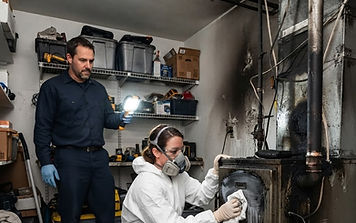
A puffback pushes oily soot through every supply register in the house in seconds. It looks like a disaster and it is entirely recoverable — if the cleaning is thorough.

Smoke season now arrives most summers. Closing the windows keeps the ash out and the smell in. Here is what actually removes it.

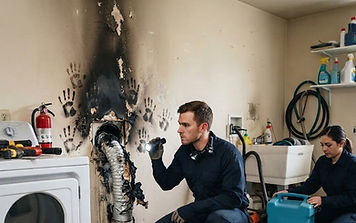
A clogged dryer vent is a fire waiting for a Tuesday afternoon. Ten minutes of maintenance and one flexible hose replacement eliminates the risk.

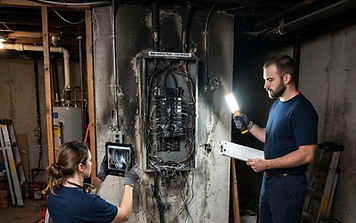
A panel fire is small, hot and toxic. Most of the damage is soot and corroded wiring downstream. Here is how a panel fire gets restored safely.

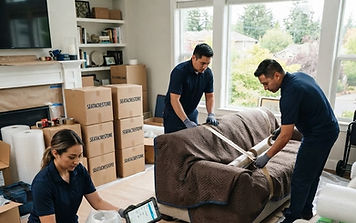
When a house cannot be lived in, the contents leave before the demolition starts. Where they go, how they are inventoried, and how you get them back.

Kitsap freezes harder and more often than Seattle. When a pipe lets go at 2 a.m. across the water, here is the exact sequence that limits the damage — and the three mistakes that make it worse.

A burst pipe above a filing cabinet or a photo album does not have to mean permanent loss. The technique is freeze-drying, and it works remarkably well.

Some items cannot be wiped, and those items are often the most valuable in a house. How ultrasonic cleaning restores hard contents after a fire.

The rule with wet electronics is the opposite of what most people do. Do not turn it on, do not charge it, and get it on a bench within a day.

The site visit is where a claim is won or lost. Here is the paperwork, the photos and the three questions that keep the scope from being trimmed.

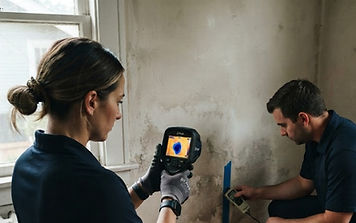
Evaporating water cools a surface. An infrared camera reads that temperature difference, which means we can map a leak before we cut anything.

Pierce County storm losses rarely come from the roof. They come from a downspout that dumps against the foundation for six hours. Here is where Tacoma homes actually fail.

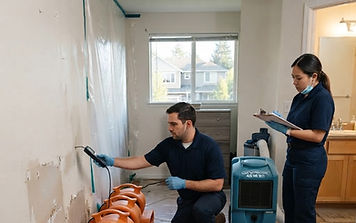
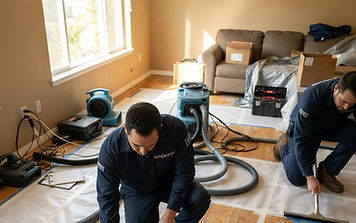
One unit per room is not a drying plan. Equipment is calculated from cubic footage, water class and material type. Here is the arithmetic.

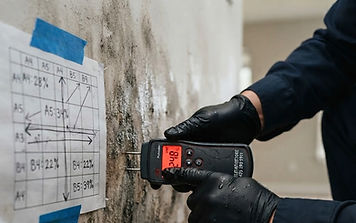
Percentage readings, reference points and dry standards. How to read the numbers in a restoration report instead of taking them on faith.

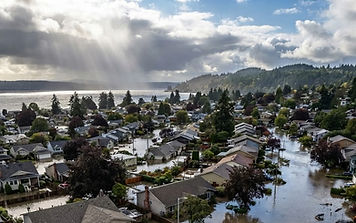
When a whole subdivision floods, the question stops being whose house first and becomes which streets are passable. A drone answers it in minutes.

Response time is decided at the end of the previous shift, not when your call comes in. Inside the staging discipline behind a 30-minute promise.
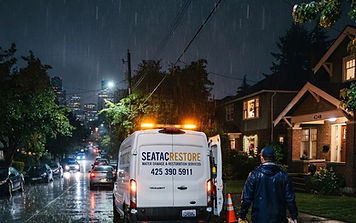

Every restoration company claims fast response. Almost none can explain how it works. Here is our dispatch model, minute by minute, from the phone call to the first moisture reading.

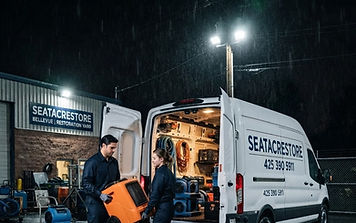
A stocked response van is a workshop on wheels. Here is what the technician does before a single piece of equipment comes off it.

Who is arriving, what they will ask, and what they should show you before entering. A checklist for the first five minutes of a service call.

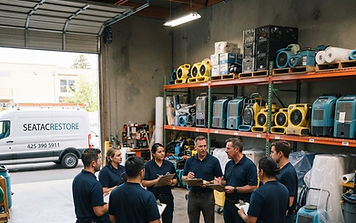
Every loss is assigned a crew, a schedule and a monitor before 7:30. What a morning briefing actually covers, and why it protects your project.

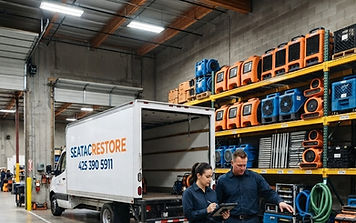
Dryers, scrubbers and containment are not commodities when a whole neighborhood floods at once. What a properly equipped response actually requires.

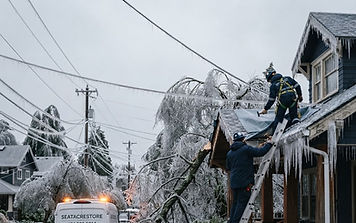
A February ice storm takes out power across Kitsap for days. With the heat off, the risk shifts from downed limbs to burst plumbing.

Restoring a flooded basement to its original condition guarantees a repeat. What to change during the rebuild that costs little now and saves a lot later.

A wood floor cannot be pulled up and put back easily. Drying mats pull moisture out from above while air movement works the cavity below. Here is when it works.

Most sump pumps sit idle for ten months and die on the first storm night. Here is how to test one, and what a correct installation looks like.

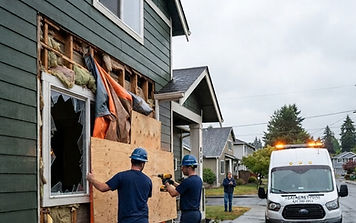
A broken window, a storm breach or a fire leaves a house open to weather and people. What board-up actually secures before morning.

It does not matter what time it is
One phone call reaches a live Puget Sound dispatcher, any hour of any day of the year. We log the loss, stage the crew, and stay on the line while you shut the water off. Thirty minutes later somebody is at your door with equipment.