


Method
How we read a Puyallup house before the equipment comes in
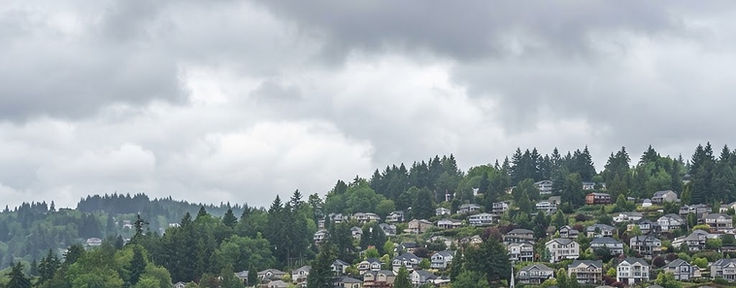
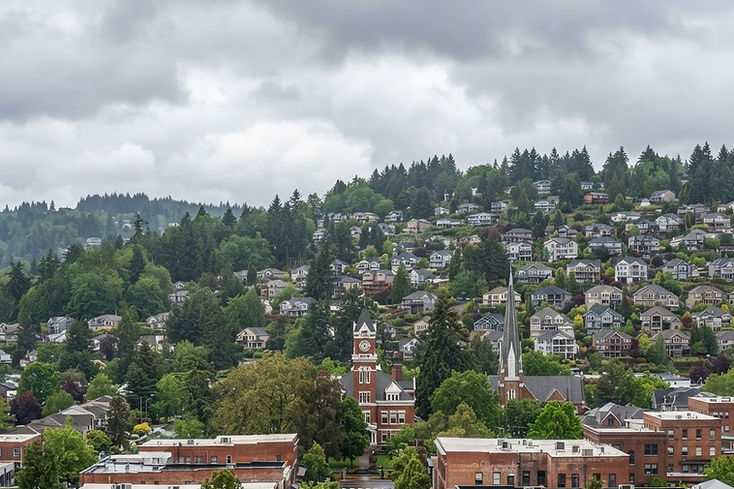
Puyallup is built mostly from Downtown historic homes, 1990s–2010s South Hill subdivisions. Two houses on the same block can be built thirty years apart, and that changes the entire drying plan: one has plaster over rock lath that holds water quietly for days, the other has a vapour-sealed wall that traps it on the cold side of the insulation.
The calls we run here most often are frozen pipe bursts, valley groundwater, new-build plumbing failures. None of those look dramatic on day one, which is exactly why they get expensive: a fitting dripping a cup an hour stays invisible until the ceiling below it starts to sag.
Map, do not guess
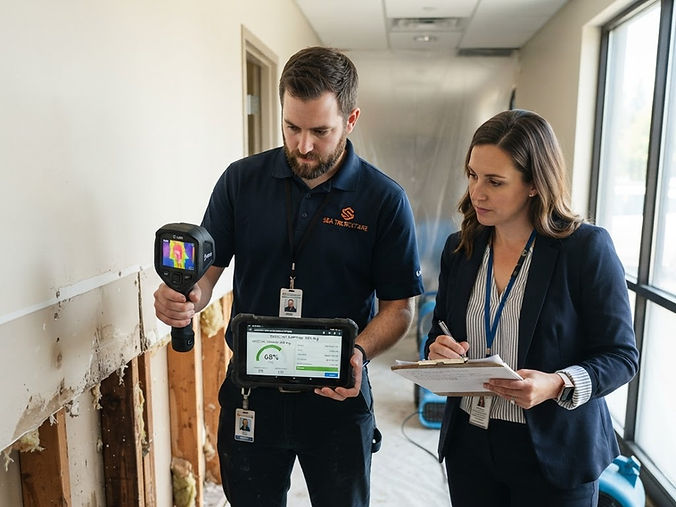
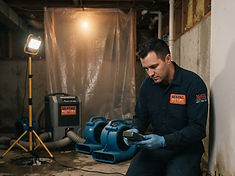
Every affected room gets a thermal scan and pin-meter readings, plus a control reading from an unaffected room, so the dry standard is a number rather than a feeling.
Open what is closed
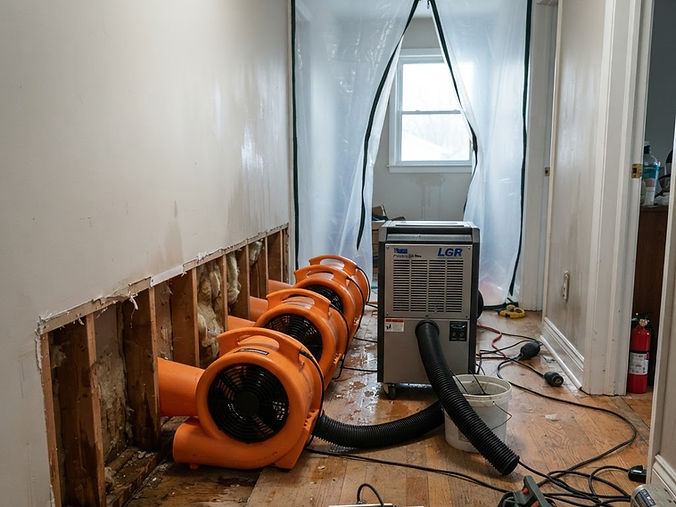
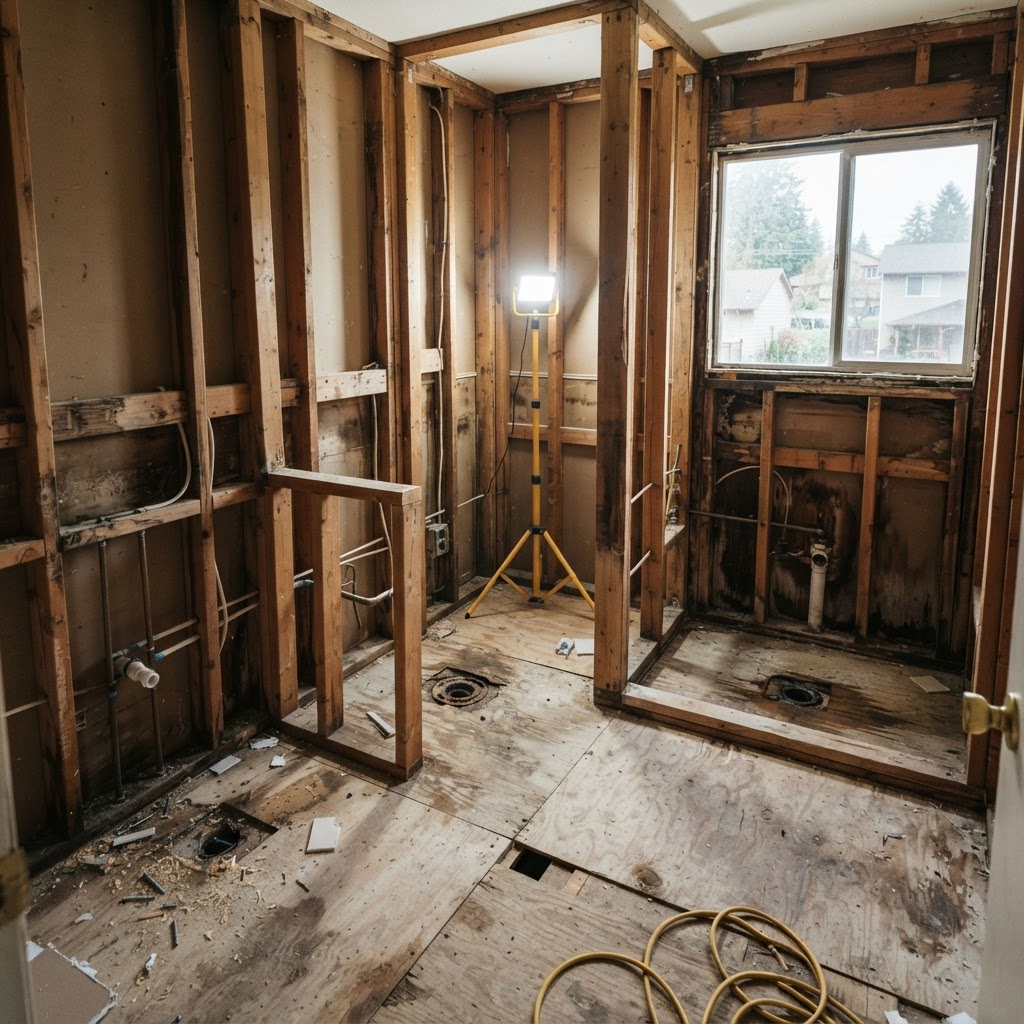
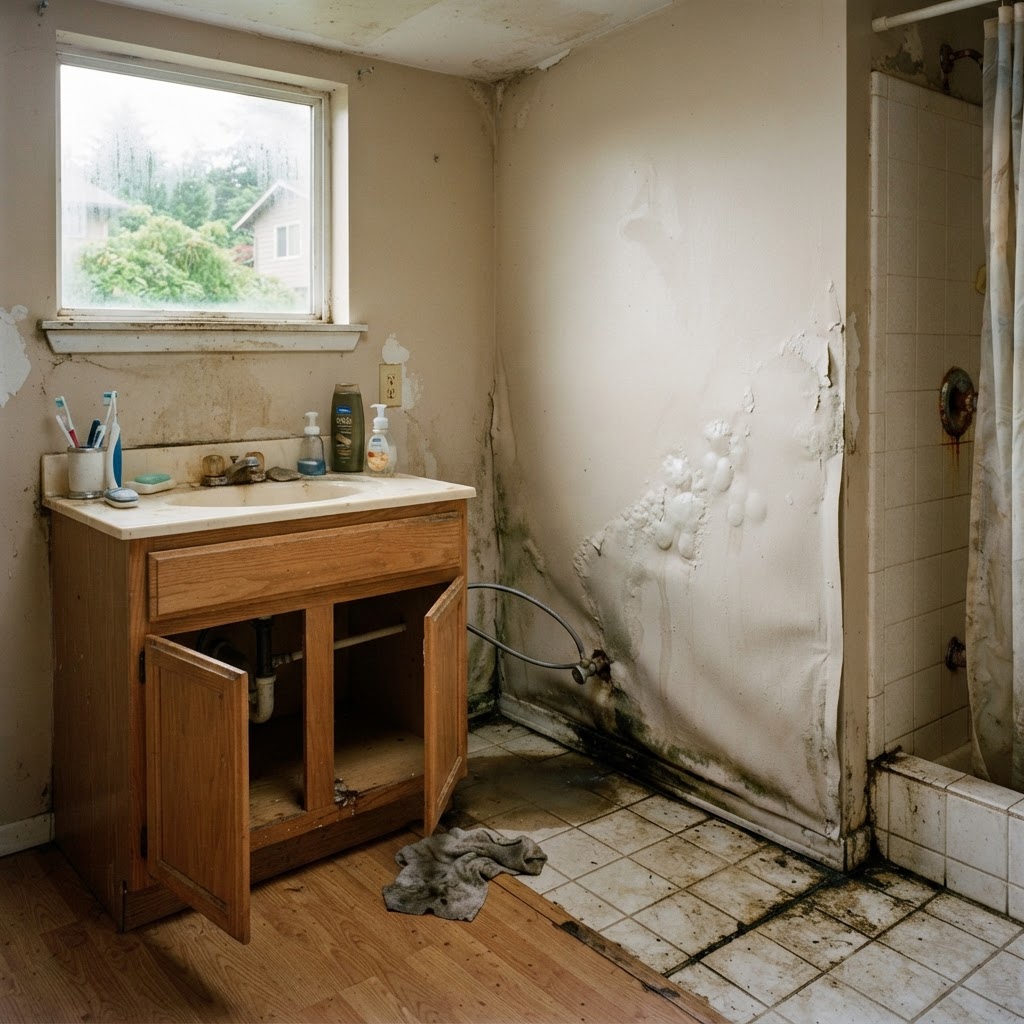
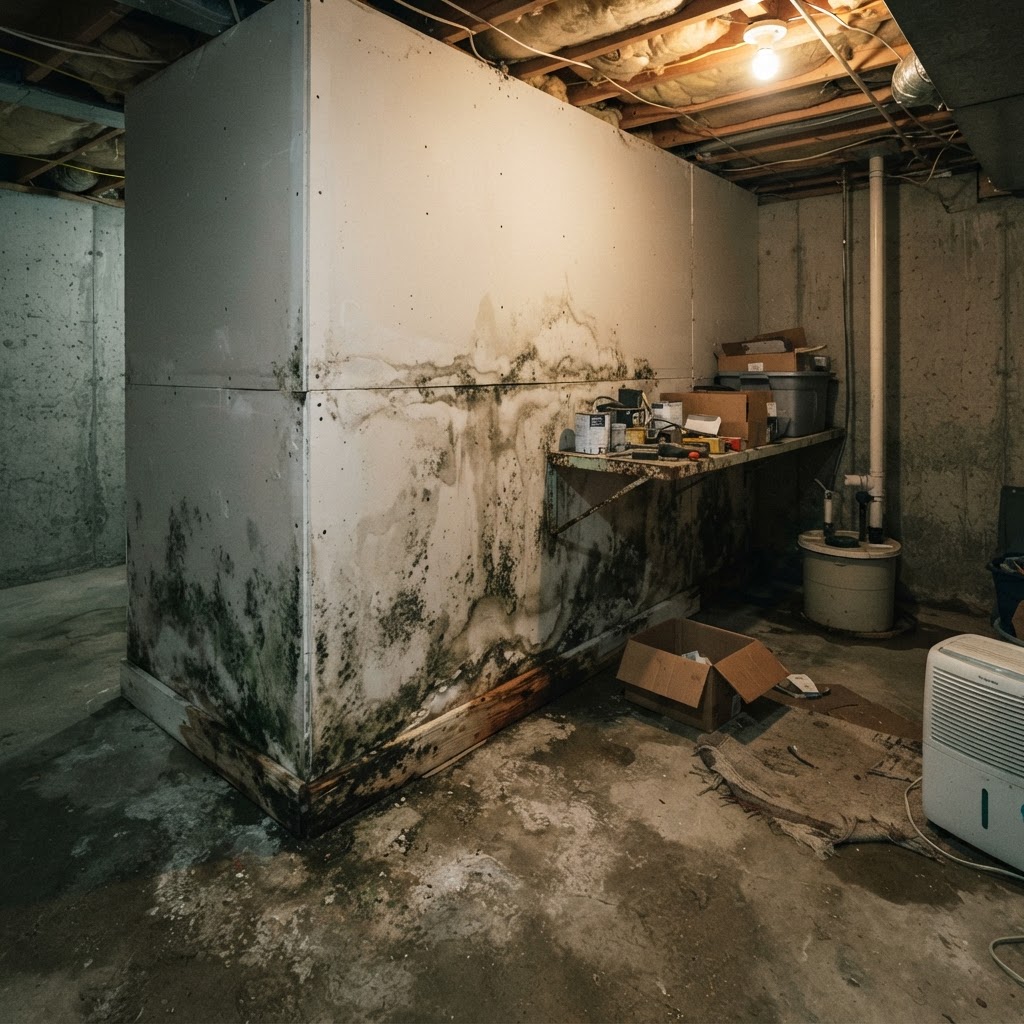
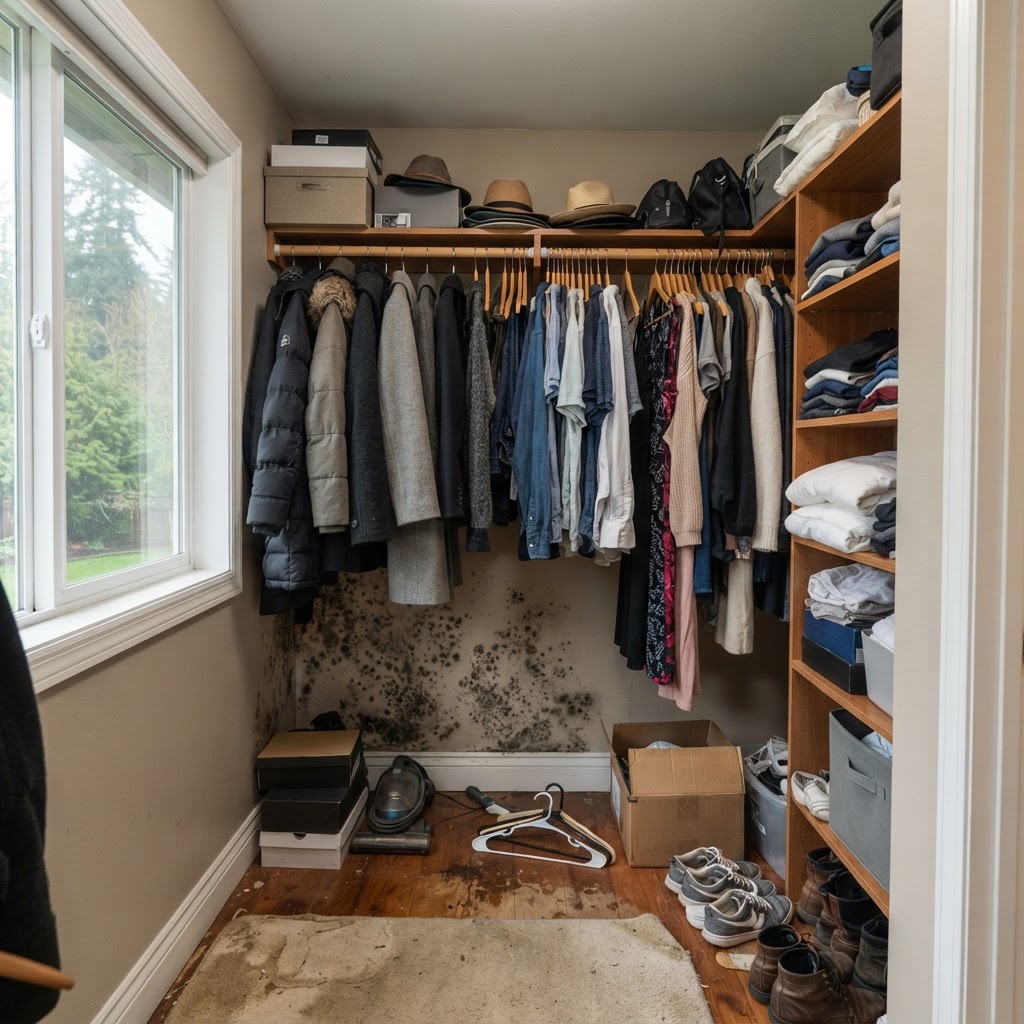
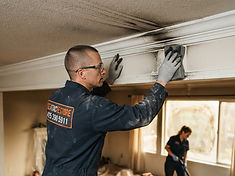
A wall reading high behind tile or baseboard gets opened. Trapped water in a closed cavity turns into mold growth in 48 to 72 hours, and reopening a finished wall later costs more than cutting it now.
Grade the water first
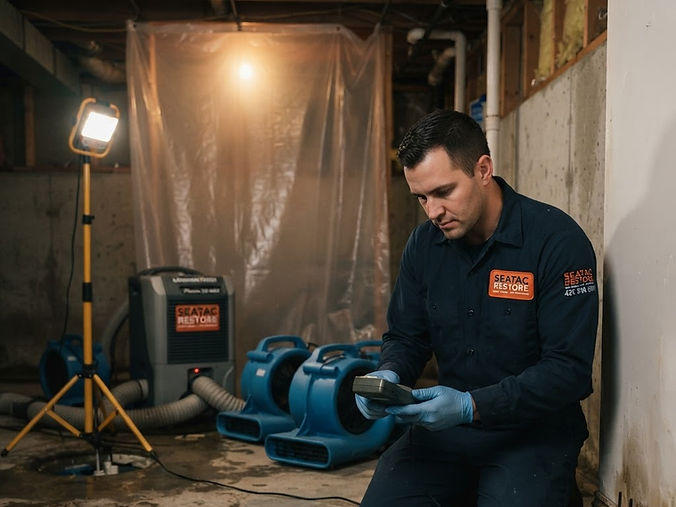
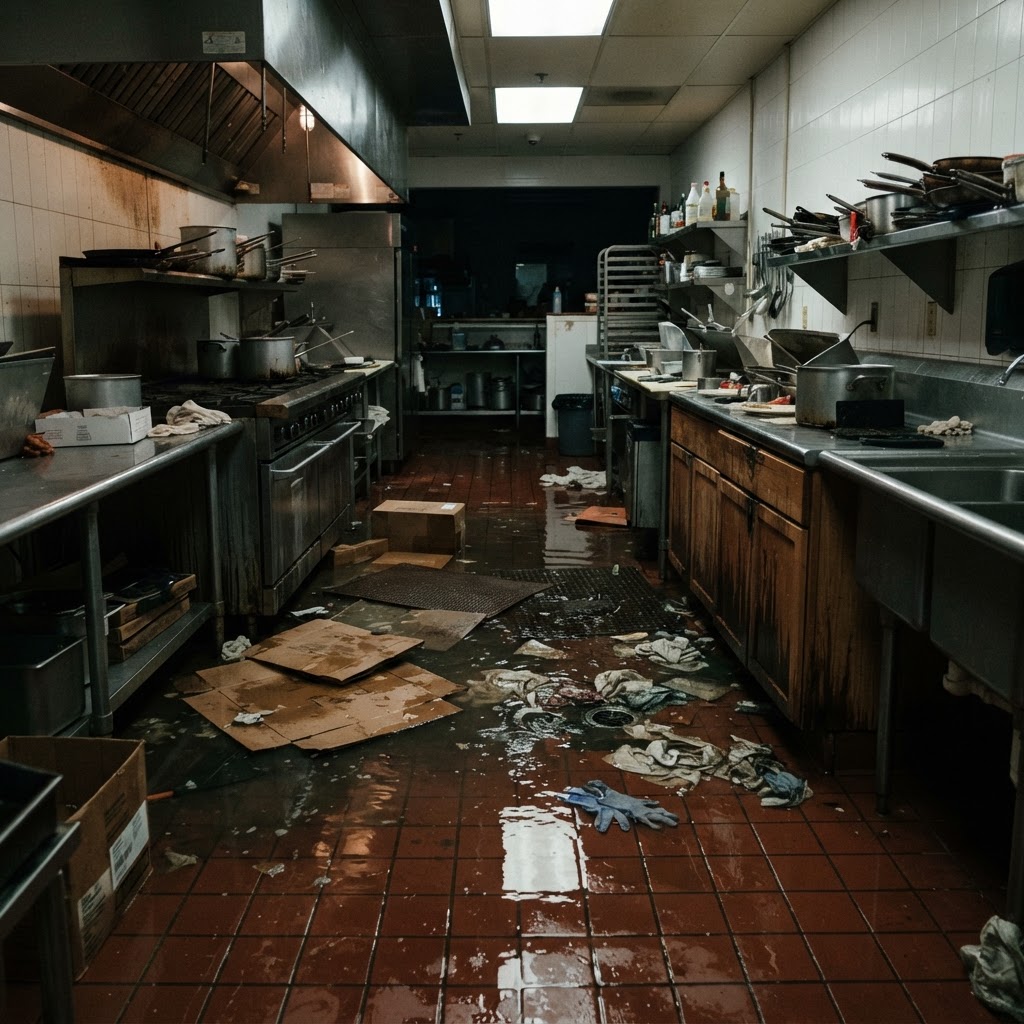
Clean supply water, grey appliance water and contaminated ground water take different equipment, different PPE and different disposal. The category is set before a single air mover is placed.
Protect what stays
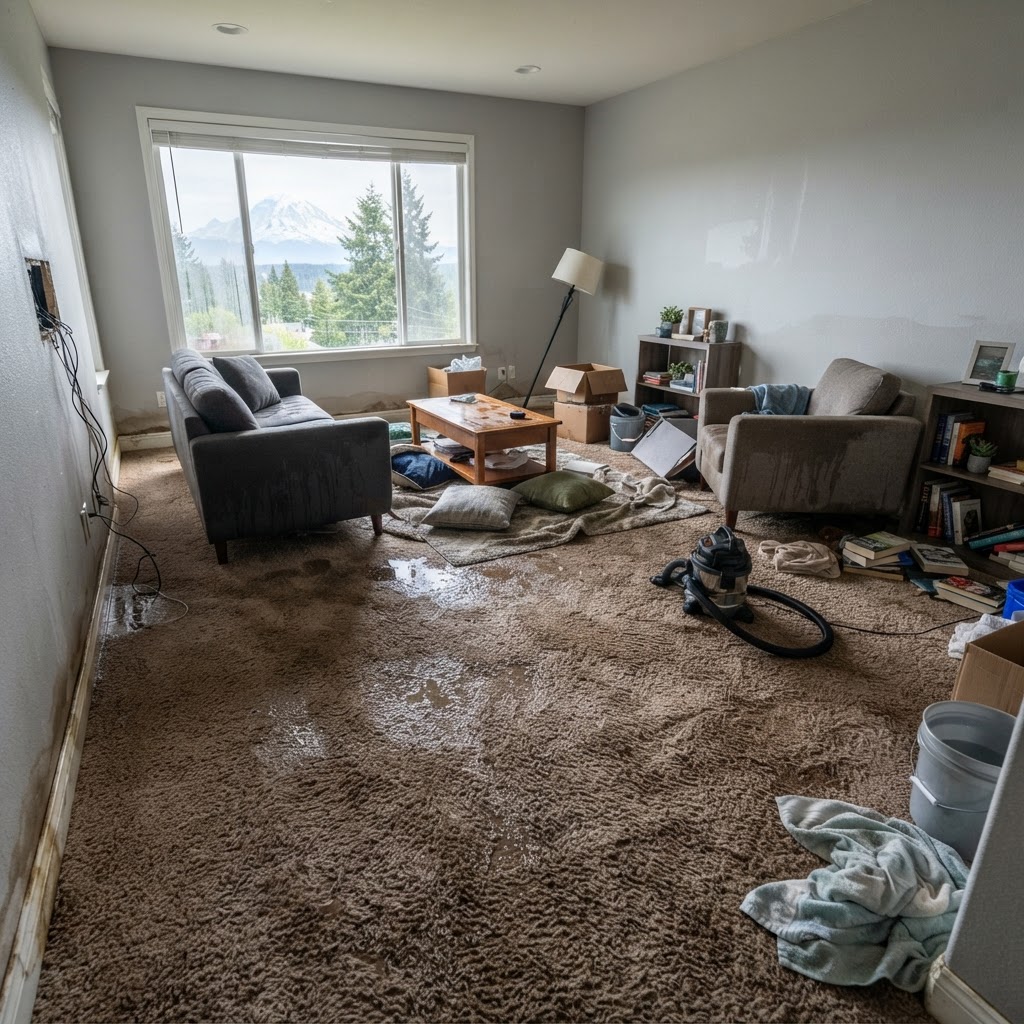
Furniture goes up on blocks, textiles are sorted for cleaning or pack-out, and every item we move is photographed before it leaves the room.
The paperwork is half the job. If the adjuster cannot follow the file, the homeowner pays for the gap.